Design is a Craft

30.09.2026

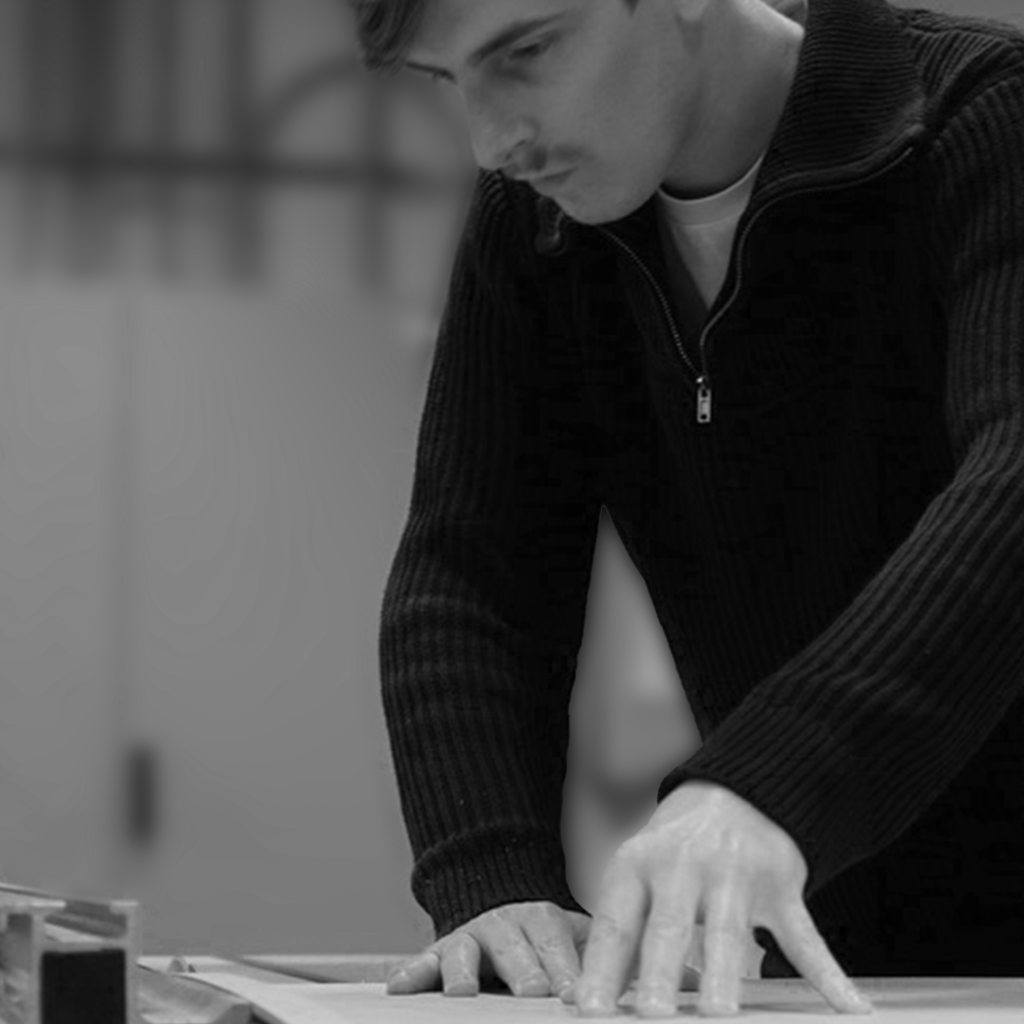
Kilian Frank has been part of the daniels + erdwiens team for five years now, and has been a Junior Partner for the past year and a half. Here, he introduces himself.


What inspires me, both as a designer and as a person, are solutions that are simple yet surprising. Solutions that emerge from open-ended processes and not only take into account the unique properties of a material or technology, but deliberately make them the starting point for the design.

For me, design is about more than creating a beautiful form. I seek to create designs that engage the senses and integrate naturally into our everyday lives — sometimes quiet and understated, sometimes dynamic and surprising, but always with a certain playful lightness. Design should bring joy while also serving people and their environment, respecting and protecting both.

For me, this also comes with a sense of responsibility: towards the product itself, the people who use it, our clients and, last but not least, a future worth living in.

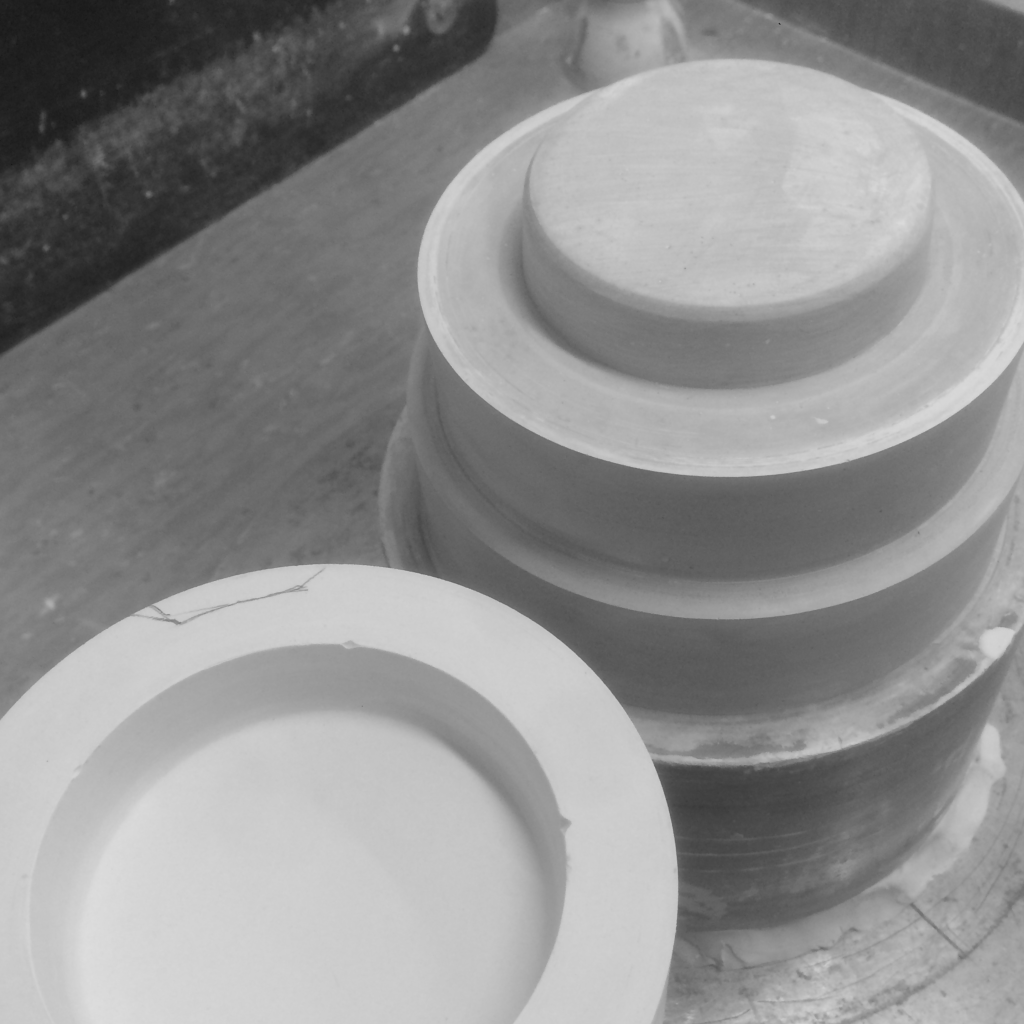
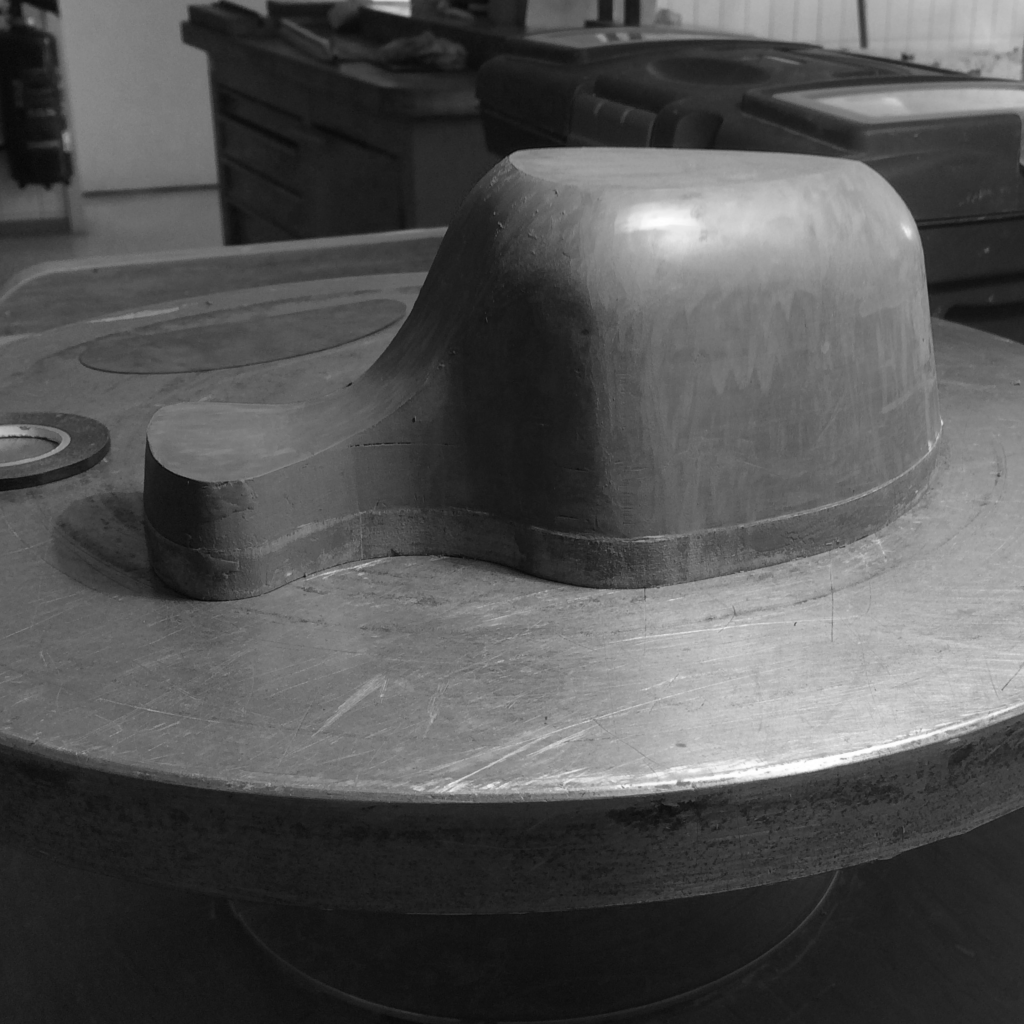
Diploma project “Elementum” by Kilian, in collaboration with Krall+Roth

Taking Responsibility

This mindset has been shaped not only by my education and work, but also by my long-standing voluntary commitment to the Scouts. It was there that I learned early on to take responsibility, make decisions, try things out for myself and sometimes fail along the way. To me, success always involves a willingness to explore new paths and learn from mistakes.

One of the guiding principles of the Scout movement is also my personal motto: to leave the world a little better than we found it. What applies to me as a Scout applies equally to me as a designer.

My understanding of what design can achieve evolved significantly during my studies at the Darmstadt University of Applied Sciences, Department of Design, located on Mathildenhöhe. Today, design means far more to me than simply creating beautiful casings and products. It is just as much about systems, interactions and communities.

Kilian as a board member (2023–2026) of VCP Hessen e. V. at the Award Ceremony of the National Award for Education for Sustainable Development.

Photo: German Commission for UNESCO / Yanina Isla

Craft as the Foundation

My passion for design began much earlier, however. As a teenager, I was already deeply involved in observational drawing and 3D modelling on the computer. Using CAD software, I created my first designs, and an early exchange of letters with the world-renowned furniture manufacturer Vitra shows just how seriously I was already taking my career ambitions at the time.

At just 16, this path led me to Selb, on the Bavarian-Czech border. The town has long been closely associated with the tradition of fine porcelain. It was here that a specialist design school emerged from this craft at an early stage: the Royal Bavarian School of Porcelain Industry, now known as the State Technical School for Product Design.

In Selb, I learned the craft of design from the ground up: from drawing and graphic design to manually creating repeating patterns with tempera paints, as well as plaster and clay modelling. At the same time, I learned to design magazines digitally and produce precise CAD data. Working in a carpentry workshop also allowed me to further develop and refine my practical skills.

This intensive engagement with craftsmanship left a lasting impression on me. Later, during my university studies, it enabled me to focus more strongly on the theoretical and conceptual aspects of design. What has stayed with me is my love of porcelain, my conviction that design is always a craft, and my high standards of precision. All the more rewarding, then, was the opportunity to develop a series of coffee cups for Tchibo.

Craftsmanship is the foundation; theory is the superstructure. Particularly in the age of artificial intelligence, I firmly believe that good design is distinguished by the tangible evidence of how deeply a person has engaged with a given subject through sound knowledge, practical skills and a distinctive point of view. For me, AI is another tool, much like CAD software. It can support processes and open up new possibilities, but it cannot replace the human ability to give a product emotion, character and meaning.

If we use AI to focus more strongly on formal and aesthetic quality, explore compelling and intelligent solutions, and engage with relevant questions, it can greatly enrich the design process and ultimately benefit everyone involved.

I want to champion an artistic intelligence that puts human needs at its heart and enables more people to understand what good design can achieve.

Stay Curious

What I particularly value about design is the need to start afresh time and again. Design often involves engaging with unfamiliar circumstances and calls for interdisciplinary exchange. It requires us to continually immerse ourselves in new subjects, understand connections and draw on knowledge from other fields.

For me, curiosity and a willingness to explore new paths are therefore essential elements of design. Just as important is the understanding that design never happens in a vacuum. There is always a context, a constraint, a question or an impulse to which we respond.

That is why I particularly enjoy working as part of a team. At daniels+erdwiens, experience, diverse perspectives and a certain agility come together. I see this combination as one of our greatest strengths. We complement one another, and it is precisely through this interplay that we develop solutions that deliver real value for both users and clients.

Main focuses of my work

At daniels + erdwiens, my focus is on designing analogue and digital visual and tactile surfaces, materials and colours. Authentic materials are particularly important to me, especially those that are easy to recycle or made from natural and renewable resources.

I also believe that design should create emotional and sensory experiences between people and products, making products intuitive and easy to understand. I enjoy working with physical prototypes to experience materials and design firsthand and further develop ideas through direct, hands-on exploration.